Building Real-Time Trading Platforms
Building Real-Time Trading Platforms
After spending months building Tredye, a real-time trading platform, I've accumulated valuable insights into the unique challenges of financial technology systems. Here's what I learned.
The Challenge of Real-Time
Trading platforms have unique requirements that push traditional web architectures to their limits:
- Sub-millisecond latency: Price updates must reach users instantly
- High throughput: Thousands of events per second per user
- Data consistency: Order execution must be atomic and reliable
- Always-on reliability: Downtime means lost money
Architecture Decisions
Message-Driven Architecture
We chose Apache Kafka as our event backbone. Every price tick, order, and trade is an event flowing through Kafka topics. This provides:
- Durability: Events are persisted and can be replayed
- Ordering: Critical for maintaining price history
- Scalability: Easy to add more consumers as load increases
WebSocket Strategy
REST APIs don't cut it for real-time data. We implemented a WebSocket layer with:
- Connection pooling: Efficient resource management
- Heartbeat mechanism: Detect and recover from stale connections
- Reconnection logic: Automatic recovery with exponential backoff
- Message batching: Aggregate updates within animation frames
State Management
The frontend uses a carefully designed state architecture:
// Tick batching for smooth updates
const tickBuffer = new Map<string, PriceTick>();
const BATCH_INTERVAL = 16; // 60fps

setInterval(() => {
  if (tickBuffer.size > 0) {
    updatePrices(Array.from(tickBuffer.values()));
    tickBuffer.clear();
  }
}, BATCH_INTERVAL);
Lessons Learned
1. Measure Everything
Without metrics, you're flying blind. We instrumented:
- WebSocket message latency
- Order execution time
- UI render performance
- Database query duration
2. Plan for Failure
In trading systems, failure modes must be well-defined:
- What happens when Kafka is down?
- How do we handle database failover?
- What's the degraded experience for users?
3. Test Under Load
We discovered critical bugs only under production-like load. Invest in load testing infrastructure early.
Conclusion
Building real-time trading platforms is challenging but rewarding. The key is embracing event-driven architecture, investing in observability, and planning for failure from day one.
Share this article
Related Articles

AI-Accelerated Development
How I use Claude and Gemini to 10x my development productivity.
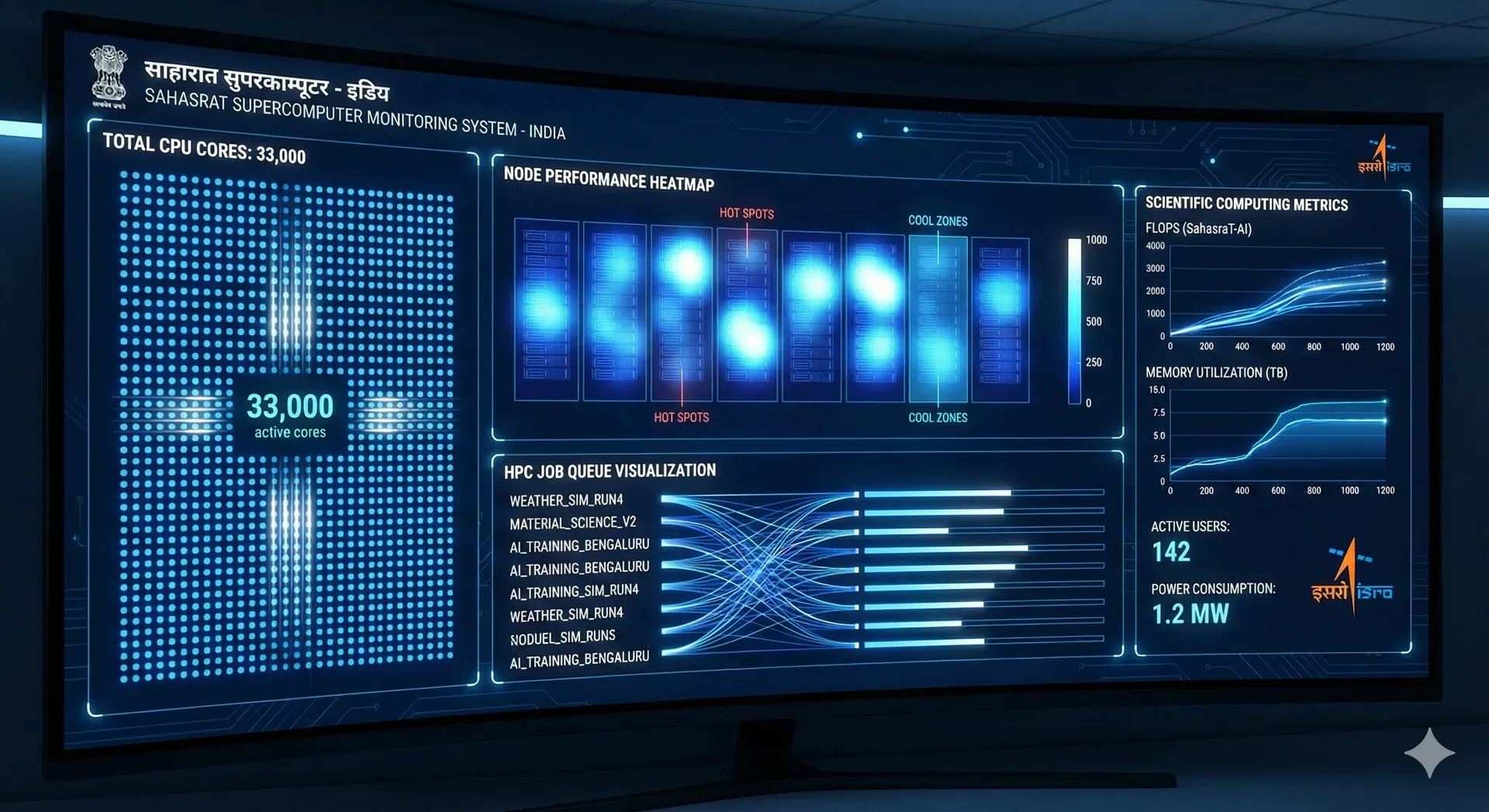
Managing India's Fastest Supercomputer
My experience managing SahasraT at IISc with 33,000 cores.